Cultivate a Thriving Landscape: Expert Insights on Soil Health and Plant Selection Jul 24, 2026
Soil health is the foundation of any successful landscaping project. It's crucial to understand the composition of your soil, as it directly impacts the health and growth of your plants. Soil types vary from sandy to clay-based, each with its unique characteristics. A simple soil test can reveal key information about nutrient levels, pH balance, and any deficiencies that need addressing. This analysis is fundamental in determining what amendments, if any, are necessary to enhance your soil's vitality.
Once you have a good grasp of your soil's health, the next step is improving it. Adding organic matter such as compost or well-rotted manure can significantly enhance soil structure, water retention, and nutrient content. These amendments not only feed the soil but also foster an environment teeming with beneficial microorganisms. These microbes play a vital role in decomposing organic material and improving nutrient uptake by plants. Regularly aerating the soil can also prevent compaction, ensuring roots have room to breathe and grow.
Plant selection is another pivotal aspect of landscaping success. The key is to choose plant varieties that are well-suited to your local climate and soil conditions. Native plants are often the best choice, as they have adapted to thrive in your specific environment. They typically require less water, fertilizer, and maintenance, making them a sustainable choice for any landscaper. Consider the specific needs of each plant, like sun exposure and water requirements, to ensure they are matched with the right location in your garden.
When selecting plants, also think about the visual and functional aspects they bring to your landscape. Mixing perennials with seasonal annuals can provide year-round interest and color. Additionally, incorporating a variety of textures and forms can create a dynamic and appealing outdoor space. At D’s Lawncare, we recommend considering the mature size of plants to avoid overcrowding and to allow for distinct landscape areas that highlight different plants’ beauty.
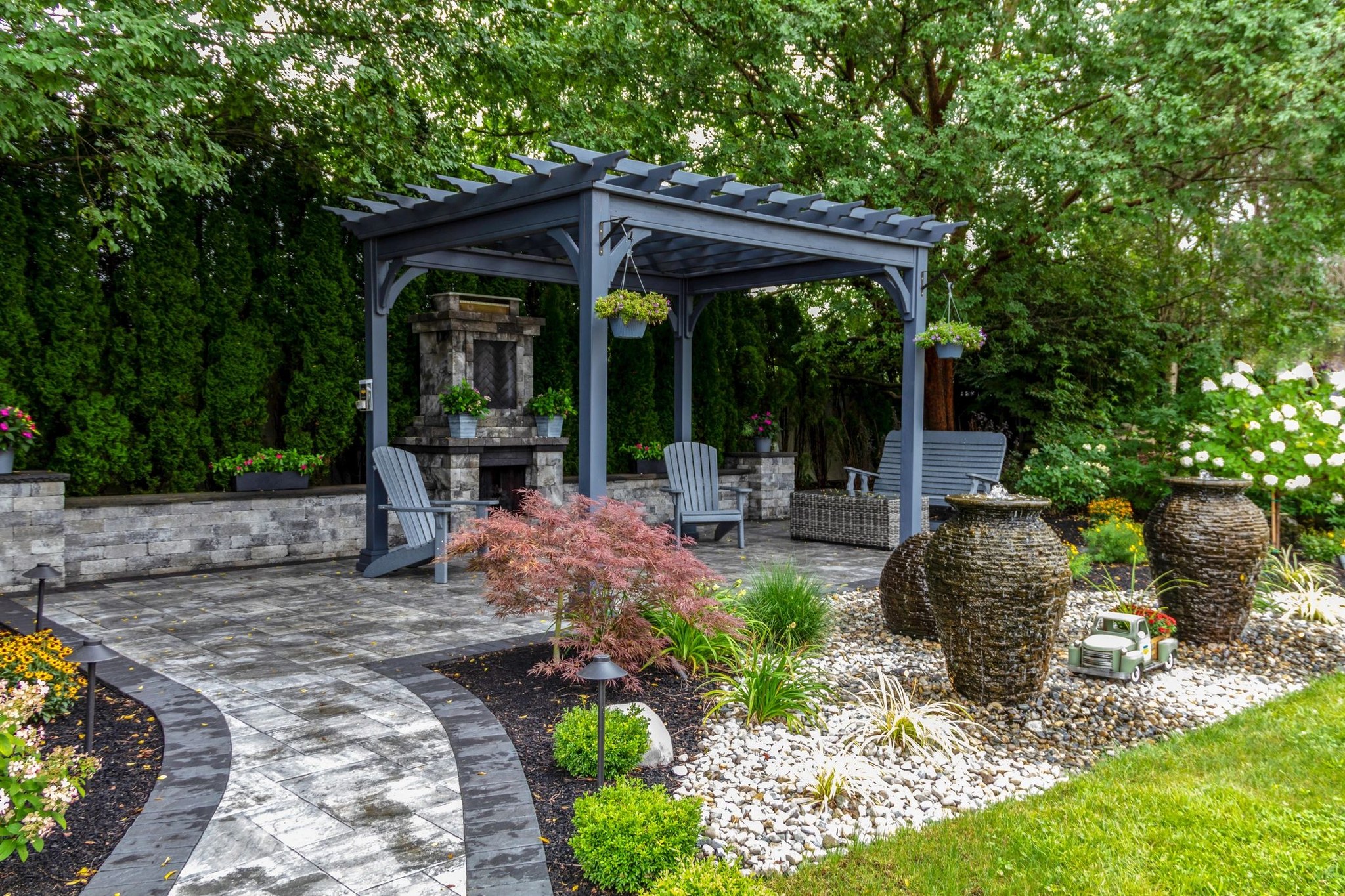
Integrating hardscaping elements such as pathways, retaining walls, and water features can enhance the architectural aspect of your garden. These features not only add aesthetic value but also help define spaces, improve accessibility, and reinforce sustainability in landscaping. Whether you're installing a new patio or adding decorative rocks, these elements should complement the natural flow and theme of your landscape.
In conclusion, cultivating a thriving landscape involves a meticulous balance of soil care, strategic plant selection, and thoughtful integration of hardscape features. By focusing on soil health and choosing the right plants, you are setting the stage for a robust and beautiful garden. At D’s Lawncare, we're committed to helping you achieve a vibrant landscape that not only wows your neighbors but also provides a serene, personal sanctuary.
Take a moment to consider these essential aspects of landscaping as you plan your next outdoor project. With the right approach, your outdoor space can transform into an exquisite, sustainable, and vibrant living landscape. For more personalized advice or to commence your landscaping journey, reach out to D’s Lawncare, and let us help you bring your vision to life.
/filters:no_upscale()/filters:format(webp)/media/1003bea3-e1e5-4b74-8329-da8773173e31.png)
/filters:no_upscale()/filters:format(webp)/media/a1b5c915-7f37-4e48-81ff-b29e8de9654b.jpeg)